
More people are cooking at home and paying close attention to ingredient quality. Knowing how food is made matters now more than ever. The cold-filled sauce process offers a unique way to keep flavors fresh and ingredients pure, all while meeting strict food safety standards. This guide explains what cold-filling is, how it stands out from traditional methods, and why Bachan’s Japanese Barbecue Sauce uses this approach to deliver exceptional taste. You’ll see how this method keeps complex flavors alive and skips artificial preservatives, changing the way quality-focused cooks view sauces.
Shop now to taste the difference cold-filled sauces bring to your meals with Bachan’s authentic Japanese flavors.
What exactly is the cold-filled sauce process?
Cold-filling is a careful production method that focuses on maintaining flavor and ingredient quality instead of just extending shelf life. Unlike sauces processed with high heat, cold-filled ones are made at controlled, lower temperatures, cooled quickly, and kept cold from start to finish.
The process starts by mixing top-notch ingredients, like soy sauce or spices, with just enough warmth to blend them well. Once the sauce hits the right taste, it’s cooled below 41°F (5°C) to meet FDA safety rules. It’s then poured into sterile containers under strict, clean conditions.
Every step requires precision, from sourcing ingredients to final packaging. Safety comes from temperature control, not heat treatment. Keeping cold foods at 41°F or lower is essential for safety, so monitoring temperatures during production and storage is critical.
The outcome? A sauce that keeps the fresh, bold traits of its ingredients while staying safe to use. For brands like Bachan’s, this method lets traditional Japanese flavors stand out without being dulled by heat.
How cold-filling keeps flavors bold and ingredients pure
Safeguarding real taste
High heat can destroy subtle flavor elements. Standard pasteurization, often done at 165°F or more, changes the taste of intricate sauces. Ingredients like fresh ginger or fermented soy lose their unique notes when exposed to such temperatures.
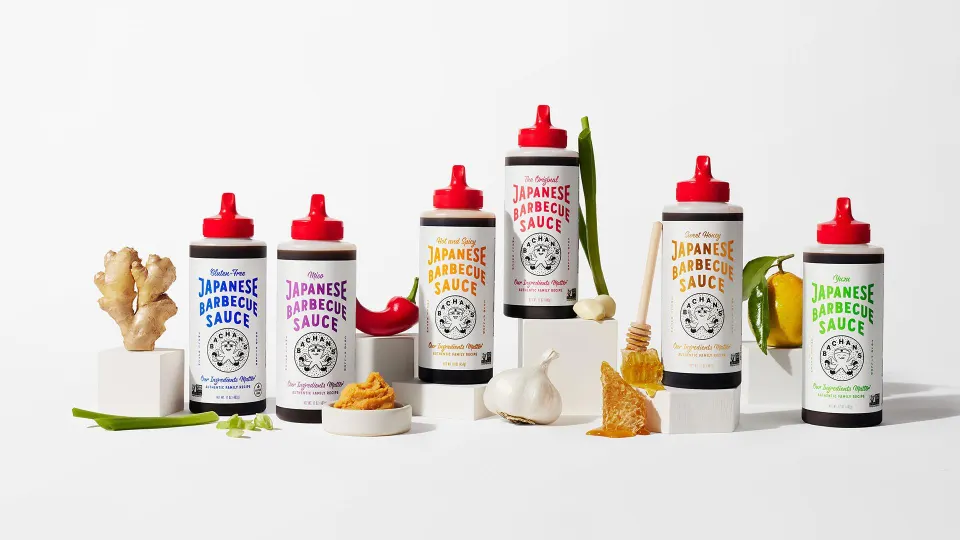
Cold-filling limits heat, protecting those fragile flavors. When Bachan’s makes their Japanese Barbecue Sauce this way, their family recipe’s true character comes through. The deep umami from non-GMO soy sauce, the gentle sweetness of mirin, and the lively kick of organic ginger stay balanced and vibrant.
This is especially key for Asian-inspired sauces, where taste depends on a mix of fermented notes, spices, and sweet-savory harmony. Cold-filling ensures these layers hit your plate as originally crafted.
Skipping artificial preservatives
Cold-filling maintains safety without chemical additives. Keeping sauces below 41°F meets federal safety guidelines by controlling bacteria through temperature alone.
This fits the rising demand for simple, clean ingredient lists. If you check labels for things like sodium benzoate, cold-filled sauces offer peace of mind. Bachan’s sticks to this method, following their “Our Ingredients Matter” belief, using only what’s needed for great taste.
Without preservatives, natural flavors aren’t hidden or changed. You get a true, unmasked taste that makes every dish more authentic.
Holding onto nutrients
Cold-filling also preserves nutrients that heat can break down. Many Japanese ingredients in sauces, like fermented soy, carry vitamins and antioxidants that high temperatures can diminish.
With less heat, these beneficial elements stick around. This means cold-filled sauces aren’t just tastier; they also offer more nutritional value, especially from ingredients with natural enzymes or probiotics.
Food safety science in cold-filling
Avoiding the temperature danger zone
Safety for cold-filled sauces hinges on staying out of the “Temperature Danger Zone.” This zone, between 41°F and 135°F, allows bacteria to grow quickly in foods like sauces.
Within this range, harmful bacteria can double every 20 minutes. That’s why holding sauces below 41°F isn’t just a suggestion; it’s a must for safety throughout production and use.
Strict temperature rules
Cold-filling relies on tight temperature management at every step. Controlling time and temperature stops harmful pathogens in food production, including sauces.
If any warming happens during mixing, the sauce must cool fast, reaching 70°F within two hours and 41°F within another four. This quick cooling limits risk. After packaging, sauces stay refrigerated during storage, transport, and display to keep quality and safety intact.
Top-tier ingredients and cleanliness
Without heat to kill germs, cold-filling depends heavily on pure ingredients and spotless facilities. Safety comes from excellent ingredients, strict sanitation, fast processing, and constant cold temperatures.
This works well for brands like Bachan’s, who already use high-quality, non-GMO, and organic components. Their facilities follow rigorous cleaning standards for equipment and staff, ensuring safety while keeping flavors authentic.
Bachan’s dedication to cold-filling for authentic taste
Bachan’s Japanese Barbecue Sauce shows cold-filling done right. They use this method to honor a family recipe rooted in Japanese-American heritage, keeping flavors true to their origins.
Cold-filling lets Bachan’s capture their signature savory-sweet balance. Each bottle holds rich umami from non-GMO soy sauce, subtle mirin notes, and sharp organic ginger and garlic, flavors that heat would dull.
This choice ties to their “Our Ingredients Matter” mindset. By picking cold-filling, Bachan’s prioritizes delivering a real taste that reflects their family’s culinary past over easier, heat-based methods.
Their sauce stands out in a market full of overly sweet or artificial options. Cold-filling lets the quality of carefully chosen ingredients take center stage.
Shop now to see how Bachan’s cold-filled sauce can elevate your meals with authentic flavor.
|
Feature |
Cold-Filled Process |
Hot-Filled/Pasteurized |
Impact on Quality |
|
Heat Exposure |
Minimal (below 140°F) |
High (165°F or above) |
Keeps delicate flavors |
|
Flavor Integrity |
Stays fresh and bold |
May dull or cook flavors |
True taste experience |
|
Preservatives |
Not needed |
Often used |
Simple ingredient list |
|
Nutrient Retention |
High preservation |
Loss from heat |
Better nutritional value |
This table highlights why cooks and chefs often choose cold-filled sauces for their standout quality. The method brings back a focus on craftsmanship, valuing taste and authenticity over long shelf life or lower costs.
Versatile uses for cold-filled sauces in your kitchen
Cold-filling preserves flavors so well that these sauces work in many dishes. Bachan’s Japanese Barbecue Sauce shines both during cooking and as a final touch.
Use it as a marinade to let its full flavors soak into meats. Natural enzymes from fermented ingredients, kept intact by cold-filling, tenderize proteins while adding deep taste.
On the grill, this sauce caramelizes nicely without burning fast. Its balanced sweetness from mirin, not heavy syrups, enhances grilled foods without overpowering them.
In stir-fries or sautés, the preserved aromas bloom with heat, lifting simple dishes to a higher level. Its authentic profile makes it a go-to for anyone trying Asian-inspired recipes at home.
How to store and handle cold-filled sauces
To get the best from cold-filled sauces, store them properly. Keep them refrigerated at all times, before and after opening. The cold chain that starts in production must continue at home.
Unlike shelf-stable options, these sauces can’t sit out for long. While this takes extra care, the better flavor and clean ingredients make it worth the effort.
When cooking, add the sauce at the right moment. High heat for too long can lessen some delicate notes that cold-filling saves, so time it to keep the taste vibrant.
Why cold-filled sauces are the future of quality condiments
Cold-filling goes beyond a production style; it’s a commitment to quality, real taste, and healthier options over convenience. As more people learn about food-making methods, interest in cold-filled products keeps rising.
This matches a larger push for clarity in food production. Shoppers want to know how their food is made, not just what’s in it. Brands like Bachan’s, using cold-filling, lead this focus on quality.
The popularity of these sauces also shows people will pay more for real flavor and better ingredients. This encourages producers to invest in quality methods instead of cutting corners.
Looking forward, cold-filling could grow, especially for unique or cultural condiments where true taste matters most. Advances in safety tech might also boost its benefits while keeping heat low.
Common questions about cold-filled sauces
Why does Bachan’s choose cold-filling over pasteurization?
Bachan’s uses cold-filling to maintain the fresh, authentic flavors of their family recipe and avoid artificial preservatives. Heat from pasteurization can change delicate Japanese ingredient notes, like umami from non-GMO soy sauce or the brightness of organic ginger. Cold-filling keeps these elements balanced, reflecting their Japanese-American heritage in every bottle.
Do cold-filled sauces need special care?
Yes, they must stay refrigerated below 41°F at all stages to ensure safety and quality. This cold chain, from production to your fridge, is vital. Unlike pasteurized sauces, they shouldn’t sit at room temperature long. The extra care pays off with better taste and simpler ingredients.
How does cold-filling affect texture and nutrition?
This method keeps a sauce’s natural look, feel, and nutritional content better than heat processing. It maintains vibrant color and proper flow, unlike pasteurization, which can alter appearance. Less heat also preserves vitamins and enzymes from ingredients like fermented soy, offering both great flavor and added nutritional benefits.
What sets Bachan’s cold-filled sauce apart from typical barbecue sauces?
Bachan’s cold-filling keeps a complex umami balance that makes Japanese barbecue sauce unique compared to sweeter American styles. Many standard sauces use lots of sugar or additives, losing depth after heat treatment. Bachan’s method highlights natural savory-sweet layers from quality ingredients, making it versatile for marinades, glazes, or finishing touches.
Is cold-filling more costly, and worth the price?
Cold-filling does cost more due to advanced equipment, tight controls, and refrigeration needs. Yet, the value shows in unmatched flavor, clean ingredients, and versatility in cooking. For those valuing quality and real taste, the price matches the benefit of replacing multiple condiments or pricey dining experiences with one high-quality sauce like Bachan’s.
Wrapping up: Fresh flavor leads the way
Cold-filling changes how we think about sauces by focusing on real taste over long shelf life. It delivers products that respect culinary roots while meeting top safety and purity standards.
Bachan’s use of this method proves shoppers value quality over ease. Their ability to bring true Japanese-American flavors to wider markets sets a high standard for artisanal condiments.
As food production evolves, cold-filling offers a way to scale traditional quality without losing integrity. It meets the demand for clarity, real ingredients, and authentic taste in today’s food world.
Choosing between cold-filled and pasteurized sauces depends on what you prioritize: vibrant flavor and quality, or just shelf convenience. For cooks who see meals as a craft, cold-filled options like Bachan’s lay the groundwork for unforgettable dishes.
Shop now to try Bachan’s cold-filled Japanese Barbecue Sauce and bring authentic, elevated flavors to your everyday cooking.